Writing began as bookkeeping. Scribes used it to track assets. Then came laws carved in stone. Then contracts, letters, mathematics, books and, at some point, even code. It spread across the world and across mediums because it was useful.
Writing has been so useful to our production system that everyone was forced to learn it. We saw that the countries with the most writers were the most advanced ones, so we made it a pillar of our school systems.
Figure 1
Why we wrote, for five thousand years.
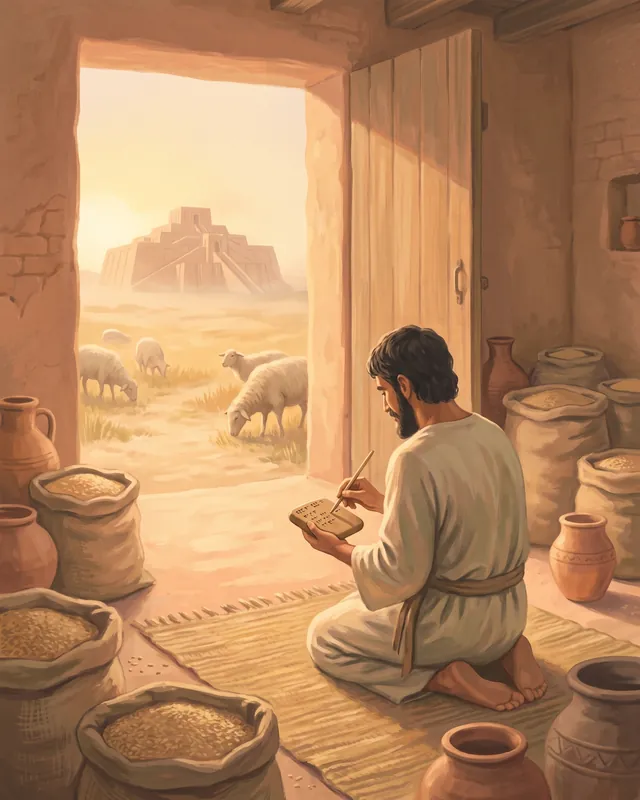 3200 BC · ClayTo count
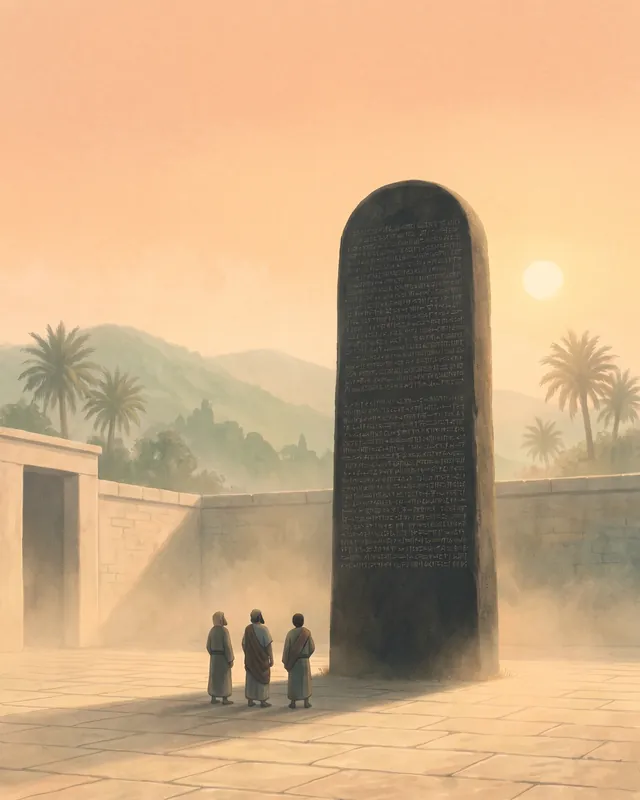 1750 BC · StoneTo rule
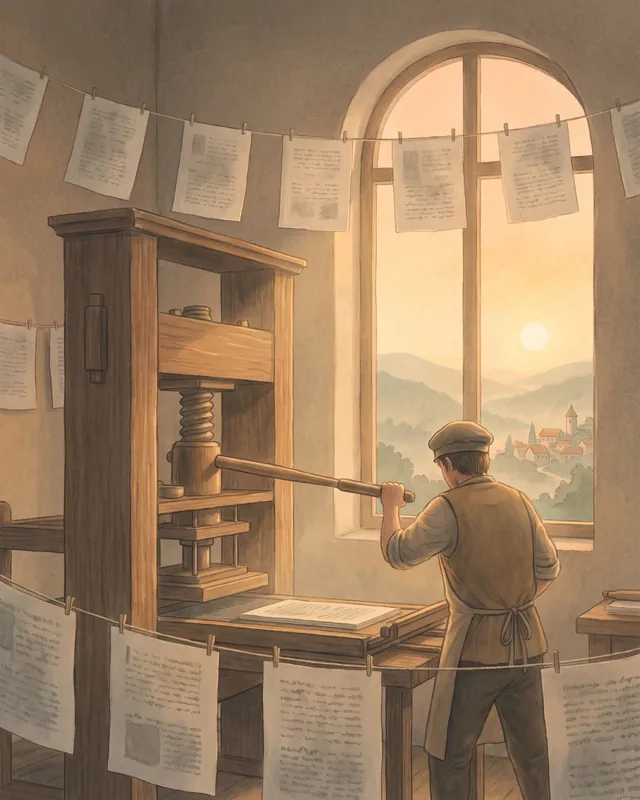 c. 1450 · PaperTo publish
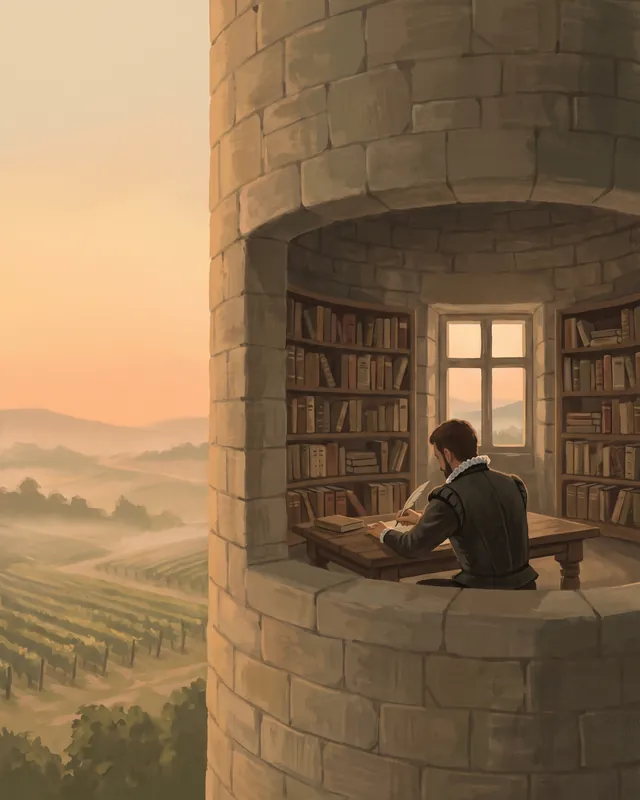 1580 · InkTo think
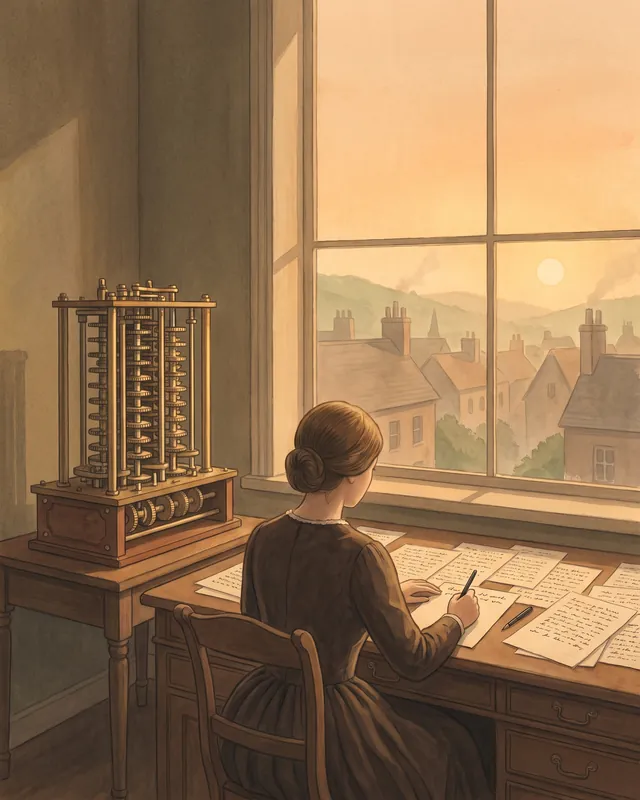 1843 · PaperTo code
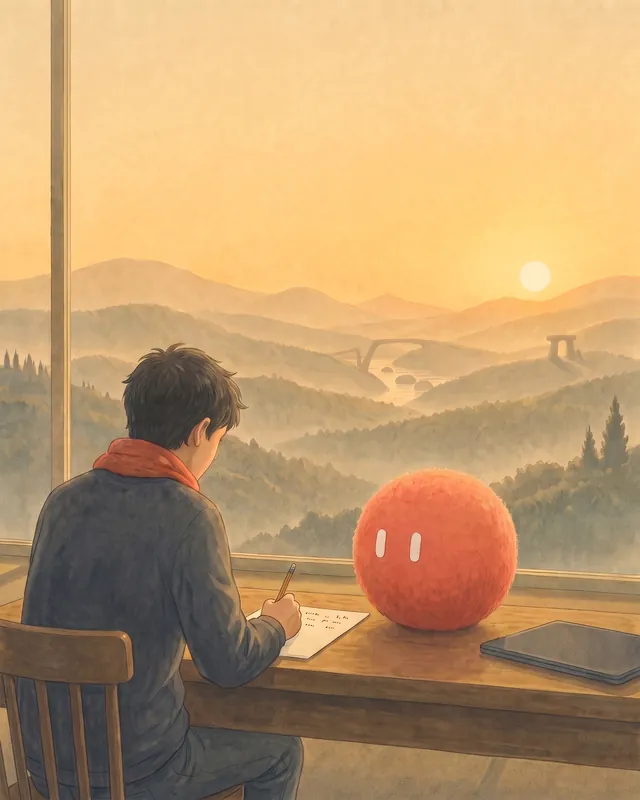 Now · PencilTo think
LLMs change this
It's hard to imagine what future jobs will be, but it's easy to picture what they won't be: they won't be built on writing. Work will no longer force people to write. With no clear economic incentive, we can expect fewer people to write.
Writing is how we think
But writing has another function: it helps us think over a long period of time. When you write an essay, you have to hold an idea, split it into parts, find where it breaks and, finally, choose your words carefully. It's a very hard intellectual task.
We don't want to think
The problem is that, naturally, we want to think as little as possible. Thinking is expensive in energy, and evolution taught us to count our calories. The brain is 2% of our body weight but burns 20% of our energy.1 So whenever we can, we take the path of least effort. Daniel Kahneman called it the law of least effort.2
For 5,000 years, it didn't matter. Our laziness lost to the usefulness of writing. Writing was so useful, socially and economically, that we were forced to do it. And because we were forced to write, we got the thinking for free.
The people building AI still write
Most people I know working in AI labs continue to write a lot. It's like the people who worked at Instagram, who were often the first to keep their own kids off it. It doesn't mean they don't believe in what they build. It means they understand that writing is the easiest way to make sure you keep thinking.
Adults: train
I don't have a solution for adults, except asking them to train. There's an interesting parallel with physical activity. When machines took over physical work, people started going to the gym to get healthier and more attractive. I expect the same with writing. When fewer people think deeply, the ones who still do will stand out.
Kids: no choice
For kids, we have no choice. We need to force them to write. It's too important for their cognitive development. That's why, when we built Sophie, we made it writing first. The science behind it is in Why we put writing first.
Twenty lines a week
So here's my ask: once a week, force yourself to write a 20-line essay. Pick a question you haven't figured out yet, and write it by hand if you can. Twenty lines is enough to find out what you think.
What you write is who you are.